
When someone is criminally charged with sexual assault, it's often seen as a major step toward justice. But, for many survivors and their families, the criminal process is just one part of a longer journey. Criminal prosecution may punish the perpetrator, but it doesn't always hold the institutions that failed to protect the survivor accountable — or offer compensation for the harm caused. That is where a civil lawsuit may come in.
What is a Civil Lawsuit in Sexual Assault Cases?
A civil lawsuit is a separate legal action brought by the survivor (or their legal representative, depending on age and competency) against the perpetrator and/or the institution responsible for allowing the abuse to occur. Unlike criminal cases, which are brought by the State of Wisconsin and seek punishment (e.g., jail time), civil cases are filed by private attorneys on behalf of survivors and seek monetary compensation and systemic accountability.
Depending on when the sexual assault occurred and provided there is still time under Wisconsin law to file a civil lawsuit, a survivor may be able to pursue a civil lawsuit at the same time as a criminal case, or after it concludes.
Who Can Be Sued in a Civil Sexual Assault Case?
You may hear lawyers say "it depends," and that is because each case should be evaluated by its individual facts. Depending on the facts of your case, civil lawsuits can be filed against:
- The perpetrator (e.g., teacher, coach, daycare worker, caregiver, clergy member, scoutmaster)
- An institution that knew or should have known about the risk and failed to act (e.g., school, daycare, church, nursing home, organization)
- Supervisors or administrators who ignored red flags or covered up misconduct
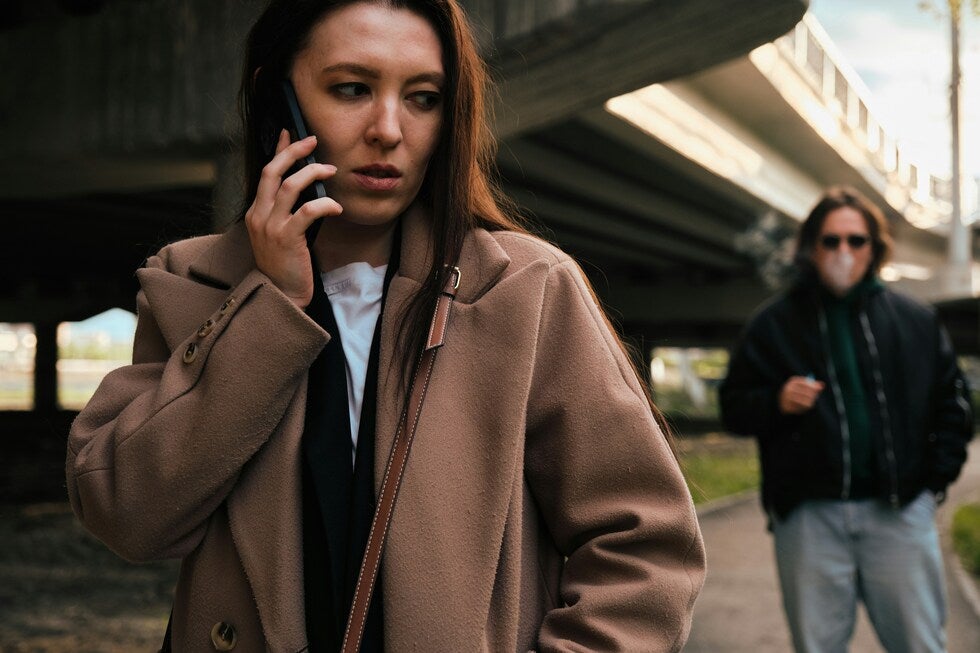
Where the sexual assault occurs also should be taken into consideration when determining possible defendants (i.e., the ones being sued) in a civil lawsuit. For example, if the sexual assault occurs at an establishment (e.g., bar, nightclub, store, apartment complex, parking lot), you might be able to file a civil lawsuit against the owners, managers, and/or operators of the establishment under a theory of premises liability, i.e., under a negligent security theory. Premises liability refers to the legal responsibility of a property owner to ensure their property is reasonably safe for visitors. If a property owner is not putting reasonable safety and security measures in place at the establishment, and you are sexually assaulted on their premises, you may have civil recourse against that establishment and property owner.



If the perpetrator either does not have an ability to pay or perhaps the perpetrator is incarcerated, institutions and establishments often carry insurance that may provide compensation to survivors. If the sexual assault occurred in your or the perpetrator's home though, for example, it is possible, due to intentional act and/or sexual misconduct exclusionary clauses often placed in homeowner's insurance policies, that there may not be an insurance policy available.
Because of the complexities involved in civil sexual assault cases, it is always best to consult with a Wisconsin Sexual Assault Lawyer to determine who can be sued in a civil sexual abuse case and what civil recourse you may have as a survivor.
What Compensation is Available in a Civil Sexual Assault Case?
Civil cases primarily focus on financial compensation for the survivor, whereas criminal prosecutions focus on punishment of an individual. Civil lawsuits can result in financial recovery for:
- Emotional trauma, PTSD, anxiety
- Costs of therapy or medical care
- Lost educational or career opportunities
- Lost wages
- Pain and suffering
- Loss of Enjoyment of Life
- Punitive damages (in some cases)
Will the Criminal Case Help the Civil Case?
In many situations, a criminal case can strengthen a related civil sexual abuse lawsuit — but not always in the ways people expect.
If the perpetrator is convicted, that conviction can serve as compelling evidence in the civil case. Under Wisconsin law, a criminal conviction is generally admissible in civil court, especially if it relates directly to the conduct in question. This can help establish the underlying abuse, shifting the focus in the civil case to institutional liability — how the school, daycare, religious institution, or other establishment failed to prevent the abuse.
However, even without a conviction, you may still have a viable civil case. Civil lawsuits have a lower burden of proof (a "preponderance of the evidence," meaning more likely than not), which means you don't have to prove the case "beyond a reasonable doubt," like prosecutors must in a criminal trial.
In fact, sometimes criminal charges are never filed, or are dismissed, even when an institution clearly failed to supervise, ignored red flags, or violated policies that led to an assault. In those cases, civil litigation is often the only avenue for families to pursue accountability.
It's also important to understand that criminal prosecutors are usually not focused on institutional wrongdoing. They prosecute individuals — not schools, churches, or care facilities. Civil attorneys, on the other hand, can investigate systemic failures, review policies, obtain internal documents, and pursue claims against the institution itself.
What is the Difference Between a Criminal Case and a Civil Case?
Understanding the differences between criminal and civil proceedings can help survivors and their families know what to expect:
| Criminal Cases |
Civil Cases |
|
Brought by the State of Wisconsin (e.g., District Attorney's Office) |
Brought by the survivor or family, through a private attorney |
|
Goal: Punish the perpetrator (e.g., jail, prison, probation, sex offender registry) |
Goal: Compensate the survivor and hold institutions accountable |
|
Burden of Proof: Beyond a reasonable doubt |
Burden of Proof: Preponderance of the evidence (more likely than not), lower burden than criminal |
|
Case controlled by the District Attorney's Office, and the survivor is a witness in the case |
Case controlled by the survivor with guidance and recommendations by his or her attorney, and the survivor is a party to the case, meaning he or she can make decisions about the direction of the case and is entitled to all important information related to the case |
|
Focuses on the individual criminal acts |
Can also include negligence, institutional failures, and civil rights violations |
|
If perpetrator is found not guilty, the State cannot initiate a second prosecution |
The survivor can pursue a civil lawsuit regardless of the result of a criminal case |
|
Statute of Limitations (i.e., deadline to bring charges) varies based upon the degree of the assault |
Statute of limitations (i.e., deadline to file a lawsuit) varies based upon when the sexual assault occurred and the age of the survivor at the time of the assault |
Should I Contact a Wisconsin Civil Sexual Assault Lawyer?
Most lawyers, when asked this question, are biased. But, in civil cases, there is a statute of limitation (i.e., deadline to file a lawsuit) for every type of claim, and civil claims involving sexual assault are no different. So, it is extremely important to contact a civil sexual assault attorney sooner rather than later. Whether or not criminal charges have been filed, a civil sexual assault attorney can help protect your legal rights, preserve evidence, and guide you through a process that is designed to give power back to survivors and their families.
Survivors contact a civil sexual assault lawyer for many different reasons:
- They want to know if the institution could have prevented the abuse.
- They want answers, not just punishment.
- They're facing financial strain from therapy, relocation, or school changes.
- They want the system to change so that no one else gets hurt.
- They want to see their abusers pay.
Whatever the reason may be, it is your choice as the survivor.
Civil sexual abuse attorneys can uncover internal documents, ignored complaints, and prior misconduct that was swept under the rug. At Lojewski Abuse & Injury Law, Firm Owner Kristen Lojewski takes a trauma-informed approach, helps survivors reclaim their voice, and uses the law to demand accountability. Lojewski Abuse & Injury Law knows how to investigate institutional negligence and will fight for justice on your terms. Contact Lojewski Abuse & Injury Law today to Be Seen. Be Heard. Be Safe. Be Championed.