

Slip and fall accidents can happen anywhere, inside a grocery store, outside a restaurant, or in a parking lot after a Wisconsin snowfall. While some falls truly are unavoidable accidents, others happen because a property owner failed to take reasonable steps to keep people safe.
If you or a loved one slipped and fell in Milwaukee or surrounding Wisconsin towns, understanding how Wisconsin slip and fall cases work can help you protect your health and your rights.
What Is a Slip and Fall Case Under Wisconsin Law?
Slip and fall cases fall under an area of law called premises liability. In Wisconsin, property owners and businesses owe a duty of ordinary care to people who are lawfully on their property.
In practical terms, this means owners must:
- Take reasonable steps to keep property safe
- Address known hazards within a reasonable time
- Inspect areas where people are expected to walk
When a dangerous condition is allowed to exist and someone is injured as a result, Wisconsin law may allow the injured person to pursue a claim.
The Basic Elements of a Wisconsin Slip and Fall Claim
Every slip and fall case is fact-specific, but most claims involve the same foundational questions:
1. Was There a Dangerous Condition?
Examples include:
- Liquid spills on store floors
- Melted snow or water tracked into an entryway
- Ice or packed snow in parking lots or sidewalks
- Uneven flooring, loose mats, or broken pavement
- Poor lighting that hides a hazard
2. Did the Property Owner Know or Should They Have Known?
Wisconsin law focuses heavily on notice. A property owner may be responsible if:
- They knew about the hazard and failed to fix it; or
- The hazard existed long enough that they should have discovered it through reasonable inspections
For example, a spill sitting unattended in a busy Milwaukee grocery store aisle raises different issues than a spill that occurred moments before a fall.
3. Was the Hazard Open and Obvious?
If a danger is so obvious that a reasonable person would have avoided it, a claim may be weaker. That said, this analysis depends on the circumstances, such as lighting, distractions, foot traffic, and surrounding conditions.
4. Did the Fall Cause Actual Injury?
Wisconsin slip and fall cases require real injury, supported by medical records. Even injuries that seem minor at first can worsen over time, particularly back, hip, knee and head injuries.
Slipping Indoors: Grocery Stores, Retailers, and Businesses
Indoor slip and fall cases often involve foreign substances — things that do not belong on the floor.
Common indoor hazards include:
- Spilled milk, water, soda, or oil
- Leaking refrigeration units
- Recently mopped floors without warning signs
- Rain or snow tracked inside without mats or cleanup
Key questions in these cases often include:
- How did the substance get there?
- How long was it present before the fall?
- Were inspection or cleaning procedures in place?
- Were warning signs used appropriately?
In many cases, surveillance video, cleaning logs, and employee testimony play a critical role.
Tripping and Falling in Wisconsin: Uneven Surfaces and Hidden Hazards
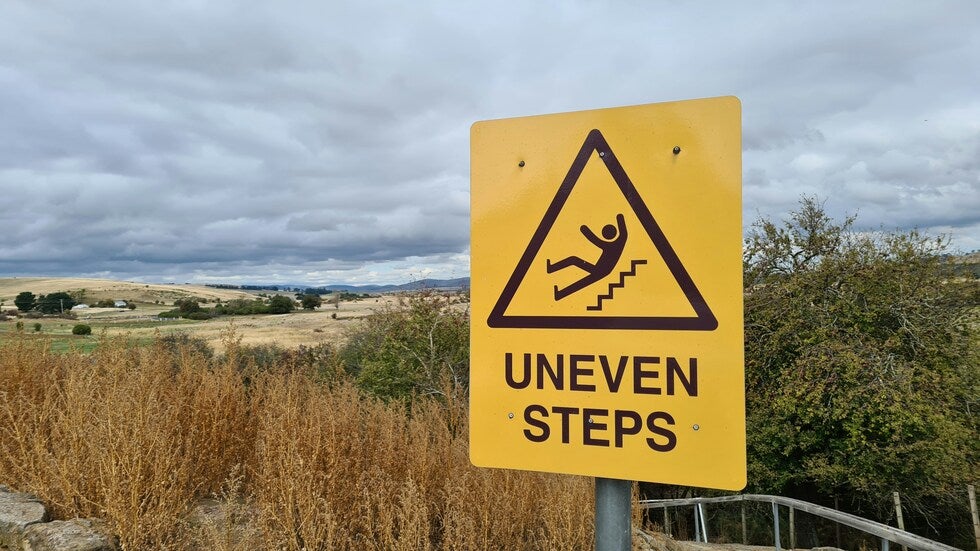
Not all falls involve slippery conditions. Many serious injuries occur when someone trips due to an uneven or unsafe walking surface.
Trip and fall cases are evaluated under the same general Wisconsin premises liability principles, but the hazards involved are different, and often easier to overlook.
Common trip and fall hazards include:
- Uneven sidewalks or cracked pavement
- Raised or broken concrete in parking lots
- Loose floor tiles or warped flooring
- Torn carpet or unsecured rugs
- Cords, hoses, or merchandise left in walkways
- Unmarked changes in floor height or steps
These hazards are especially dangerous in high-traffic areas where people are focused on where they are going, such as store aisles, building entrances, and apartment walkways.
Key questions in Wisconsin trip and fall cases often include:
- How long did the uneven condition exist?
- Was it part of routine wear and tear or recent damage?
- Were repairs delayed or ignored?
- Was the hazard difficult to see due to lighting, color, or distractions?
Unlike spills, uneven surfaces usually develop over time. That means property owners often have more opportunity to discover and fix them, which can be a critical factor in evaluating responsibility.
Slipping Outdoors: Ice, Snow, and Wisconsin Winters
Outdoor slip and fall cases, especially those involving ice and snow, are common in Milwaukee and throughout Wisconsin and are often misunderstood.
Wisconsin law recognizes that winter weather is unavoidable. Property owners are not automatically responsible for every fall on snow or ice. Courts often look at:
- Whether the condition was a natural accumulation of snow or ice
- How much time passed since the last snowfall or freeze
- Whether reasonable snow and ice removal efforts were made
- Whether melting and refreezing created an ongoing hazard
For example:
- A fall during an active snowfall may be treated differently than a fall on ice that remained for days.
- Parking lots, sidewalks, and building entrances may be evaluated differently based on use and maintenance expectations.
These cases require careful analysis and often turn on timing, weather records, and maintenance practices.
What do Do After a Slip and Fall in Wisconsin
The steps you take after a fall can significantly affect both your health and any potential claim.
Seek Medical Attention
Even if you think you are "fine," get evaluated. Slip and fall injuries often include:
- Head injuries and concussions
- Back and spinal injuries
- Hip, knee, and ankle injuries
- Soft tissue injuries that worsen over time
Medical records help establish a clear connection between the fall and your injuries.
Report the Incident
Notify the property owner or manager and request an incident report. Stick to basic facts and avoid speculation.
Take Photos and Video
If possible:
- Photograph the hazard itself
- Capture the surrounding area and lighting
- Document weather conditions
- Take photos before the condition changes
- Photograph your injuries
Identify Witnesses
If anyone saw your fall or noticed the condition beforehand, gather names and contact information.
Preserve Evidence Quickly
Many businesses overwrite surveillance footage within days. Acting quickly can help preserve video, maintenance records, and other critical evidence.
Common Mistakes After a Slip and Fall
Injured individuals often unintentionally harm their own claims by:
- Delaying medical care
- Assuming the business will "do the right thing"
- Giving recorded statements to insurance companies
- Posting about the incident on social media
- Waiting too long to get guidance
Once evidence is lost, it may not be recoverable.
Why Slip and Fall Cases in Milwaukee and Throughout Wisconsin Are Complex
Slip and fall cases are not automatic. Wisconsin law requires a detailed, fact-specific analysis that may include:
- Location and property type
- Timing and weather conditions
- Inspection and maintenance practices
- Whether the hazard was foreseeable
- Whether reasonable steps were taken to prevent harm
Two falls that look similar on the surface can have very different legal outcomes.
A Brief Overview of Wisconsin Law: Safe Place Statute, Negligence, and Time Limits
Wisconsin slip (or trip) and fall cases are governed by a mix of statutes and long-standing legal principles. While the legal analysis can be complex, a few high-level concepts are helpful to understand.
Wisconsin's Safe Place Doctrine
Wisconsin has a law often referred to as the Safe Place Statute. In general terms, it requires employers and owners of public buildings to keep certain areas as safe as the nature of the place reasonably permits.
Importantly, the Safe Place Statute does not mean a property must be perfectly safe, and it does not create automatic liability. But, it does require employers and owners of public buildings to take reasonable steps to keep their buildings and work areas safe for both employees and the public. It does not require perfection, but it does require owners to actively maintain and repair their property in a way that protects people from preventable harm.
Negligence Claims in Slip and Fall Cases
Many slip and fall cases proceed under ordinary negligence principles. These claims focus on whether a property owner:
- Failed to act reasonably under the circumstances
- Did not address a known or discoverable hazard
- Failed to inspect or maintain walking surfaces
In some cases, both legal theories may be evaluated depending on the nature of the hazard and the specific facts and circumstances.
Time Limits to Bring a Slip (or Trip) and Fall Claim
Wisconsin law imposes strict time limits, known as the statute of limitations.
In many personal injury cases, the general deadline is three years from the date of injury/accident. However, claims involving government property may have shorter notice requirements, and certain facts can affect how deadlines are calculated.
Missing a deadline can permanently bar a claim, regardless of its merits. Because these rules can vary based on the circumstances, getting accurate information early is important.
When It May Help to Speak with a Wisconsin Slip and Fall Lawyer
If a fall caused serious injury, required ongoing treatment, or resulted in missed work or significant medical bills, it may be helpful to speak with a lawyer experienced in Wisconsin slip and fall cases.
An experienced attorney can:
- Evaluate whether a claim may be viable under Wisconsin law
- Act quickly to preserve time-sensitive evidence
- Handle communications with insurance companies
- Help you understand your options without pressure
Final Thoughts on Wisconsin Slip and Fall Accidents
Slip and fall injuries are often minimized, but many are preventable. When preventable hazards cause harm, Wisconsin law may provide a path to accountability.
If you or a loved one slipped and fell in Milwaukee or anywhere in Wisconsin, understanding your rights and acting early can make a meaningful difference.
At Lojewski Abuse & Injury Law, we offer free consultations that are designed to inform and educate.