
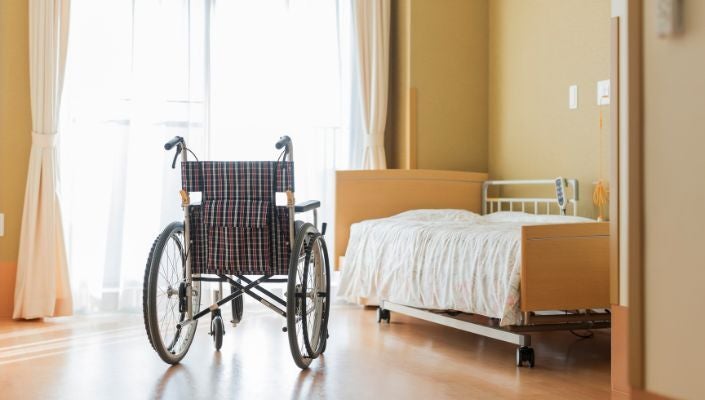
Making the decision to place a loved one in a nursing home is never easy. Families trust these facilities to provide proper care, support, and protection for elderly residents. When something goes wrong, it can leave families feeling frustrated, confused, and unsure about what to do next.
If your loved one suffered injuries, sudden health problems, or signs of neglect in a care facility, you may be wondering whether you have a valid nursing home abuse case. Many people are not sure what legally qualifies as abuse or neglect, especially when nursing homes try to explain injuries as accidents or part of aging.
The truth is that some injuries and health declines are preventable. When a facility fails to provide proper care, supervision, or medical attention, families may have grounds for legal action.
Situations That May Lead to a Nursing Home Abuse Case
Falls With No Supervision
Falls are one of the most common causes of serious injuries in nursing homes. While elderly residents are naturally more vulnerable to falls, facilities are expected to take reasonable steps to keep residents safe.
Many nursing home residents require assistance with walking, using the restroom, or getting out of bed. When staff members fail to supervise residents who are known fall risks, preventable accidents can happen. A resident may be left alone despite needing mobility support, or the facility may fail to provide proper safety equipment.
If your loved one suffered broken bones, head injuries, or repeated falls without clear explanations, it may point to neglect rather than an unavoidable accident. In some cases, these situations become the basis of a nursing home abuse lawsuit.
Bedsores From Neglect
Bedsores, also known as pressure ulcers, are another major warning sign of poor care. These injuries often happen when residents are left in the same position for long periods without assistance.
Proper nursing home care includes regularly repositioning residents, monitoring skin conditions, and keeping patients clean and dry. When staff fail to do these basic tasks, painful sores can develop and quickly become severe.
Advanced bedsores can lead to infections, hospitalization, and long-term complications. In many situations, bedsores are considered preventable, which is why they are commonly associated with nursing home abuse and neglect claims.
Medication Errors
Medication mistakes can have serious consequences for elderly residents. Nursing homes are responsible for administering medications correctly and monitoring residents for side effects or complications.
Errors may involve giving the wrong medication, skipping doses, administering incorrect amounts, or failing to notice dangerous drug interactions. Even a single medication mistake can cause severe health problems, especially for vulnerable residents with existing conditions.
If your loved one experienced a sudden decline after a medication issue, the nursing home may have failed to follow proper medical procedures.
Sudden Decline Without Explanation
Sometimes families notice dramatic changes in their loved one's condition without receiving clear answers from the nursing home. A resident may suddenly lose weight, become dehydrated, appear emotionally withdrawn, or develop unexplained bruises.
These changes should never be ignored. A rapid decline in physical or emotional health may indicate that a resident is not receiving proper care or supervision.
When staff members avoid questions or fail to provide reasonable explanations, families often begin to suspect that neglect or abuse may be involved.
Red Flags That Suggest the Injury Was Preventable
Staff Ignoring Complaint
One of the clearest warning signs of nursing home neglect is when staff members repeatedly ignore concerns raised by residents or family members.
Families may report safety issues, poor hygiene, medication concerns, or signs of mistreatment, only to have their complaints dismissed or ignored. In some facilities, call buttons go unanswered for long periods, leaving residents without help when they need it most.
When nursing homes fail to respond to concerns, preventable injuries can become much more likely.
Delayed Medical Response
Quick medical attention is critical in nursing homes, especially when dealing with elderly residents who may already have fragile health conditions.
Delays in treatment can worsen injuries and increase the risk of serious complications. A facility may fail to respond promptly after a fall, ignore signs of infection, or wait too long to seek emergency medical care.
If staff members delayed treatment or failed to contact medical professionals when necessary, it may indicate negligence on the part of the nursing home.
Unsafe Environment
The overall condition of a nursing home can also reveal signs of neglect. Unsafe conditions often contribute to preventable injuries and accidents.
Poor lighting, slippery floors, broken equipment, unsanitary rooms, or inadequate security can all place residents at risk. Nursing homes are expected to maintain a safe environment for residents, visitors, and staff.
When facilities fail to address dangerous conditions, they may be held responsible for resulting injuries.
Repeated Incidents
One isolated incident may not always indicate abuse or neglect. However, repeated injuries or ongoing health problems often raise more serious concerns.
Frequent falls, recurring infections, dehydration, or repeated medication errors may point to larger issues within the facility. A pattern of similar incidents can suggest chronic understaffing, poor training, or systemic neglect.
Repeated problems can significantly strengthen a nursing home abuse case.
Questions to Ask Yourself Before Taking Legal Action
Was This Injury Avoidable?
One of the first questions families should ask is whether the injury could have been prevented with proper care.
While some health issues are unavoidable due to aging or medical conditions, many injuries happen because facilities fail to follow proper safety procedures. If basic care standards were ignored, there may be grounds for legal action.
Did the Facility Follow Proper Procedures?
Nursing homes are required to follow established procedures to protect residents and provide adequate care.
This includes monitoring residents properly, following physician instructions, maintaining medical records, and responding appropriately to emergencies. If the facility failed to follow these procedures, it may support claims of negligence or abuse.
Has This Happened Before?
A history of complaints or previous incidents can reveal patterns of neglect within a facility.
Families may want to look into state inspection reports, prior violations, or lawsuits involving the nursing home. Repeated complaints from residents or other families may indicate that the facility has ongoing problems that were never corrected.
How Lawyers Evaluate a Potential Case
When attorneys review a potential nursing home abuse case, they focus on whether the facility failed to meet accepted standards of care and whether that failure directly caused harm to the resident.
Lawyers typically examine medical records, incident reports, photographs, witness statements, and communication between the facility and family members. They may also consult medical experts to determine whether the injury or decline could have been prevented.
The goal is to determine whether the nursing home acted negligently and whether there is enough evidence to pursue a nursing home abuse lawsuit successfully.
What Strengthens or Weakens a Case
Documentation Can Strengthen a Case
Strong documentation is often one of the most important factors in nursing home abuse claims. Medical records, photographs of injuries, written complaints, and notes about conversations with staff can all help establish what happened.
The more evidence families can gather, the easier it may be to show that the nursing home failed to provide proper care.
Witnesses May Support Your Claim
Witness testimony can also strengthen a case. Other residents, visitors, medical professionals, or former employees may provide valuable information about conditions inside the facility.
Their statements may help confirm patterns of neglect, unsafe practices, or poor treatment of residents.
Patterns of Neglect Matter
Cases often become stronger when there is evidence that similar incidents happened repeatedly. A history of complaints, violations, or ongoing safety concerns can suggest that the nursing home failed to correct known problems.
This pattern may help demonstrate that the facility's negligence was not an isolated mistake.
Lack of Evidence Can Create Challenges
Some nursing home abuse claims become difficult when there is little documentation or limited proof connecting the injury to neglect.
Facilities may deny wrongdoing or argue that the resident's condition was caused by natural aging or illness. This is why early investigation and documentation are often important.
Pre-Existing Conditions May Complicate a Claim
Many nursing home residents already have serious medical conditions, which can make legal cases more complicated.
The nursing home may argue that the resident's injuries or decline were caused by pre-existing health problems rather than poor care. In these situations, medical evidence becomes especially important in determining whether neglect played a role.
What to Do If You Think You Have a Case
Gather Important Records
If you suspect nursing home abuse or neglect, start gathering as much information as possible. Medical records, photographs, medication information, billing records, and incident reports can all help document what happened.
Keeping organized records may strengthen your claim later.
Create a Timeline of Events
Writing down important dates and events can help clarify the situation. Include details about injuries, changes in health, conversations with staff, and complaints you reported to the facility.
A timeline can help identify patterns and provide a clearer picture of the nursing home's actions.
Contact a Lawyer
If you believe your loved one may have suffered from nursing home abuse, speaking with an attorney can help you better understand your legal options.
Lojewski Abuse & Injury Law focuses on helping injured and abused individuals throughout Wisconsin, including families dealing with nursing home abuse and neglect cases. Our firm emphasizes compassionate communication, personalized attention, and aggressive advocacy for vulnerable victims and their families.
If you are looking for guidance, we can help you understand your legal options and determine the best next steps for your family. Call today for a Free Consultation.