
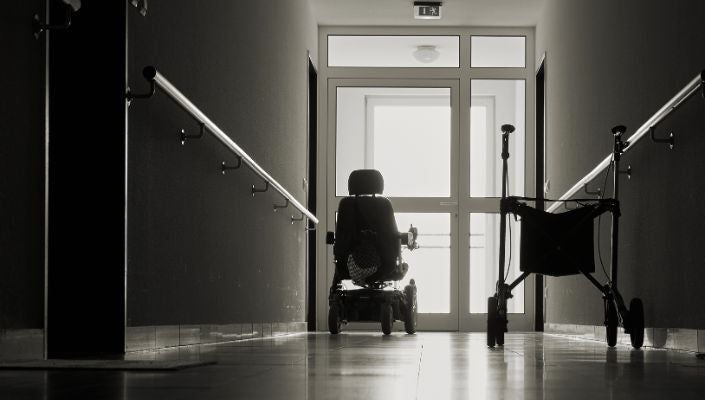
Placing a loved one in a nursing home is one of the most difficult decisions many families ever make. It requires a great deal of trust. Families expect that residents will receive proper care, attention, and respect every day. When that trust is broken, the results can be devastating.
Many families notice that something feels “off” before they discover a serious problem. Maybe a loved one seems withdrawn, has unexplained injuries, or appears less healthy than before. These situations often create fear, confusion, and uncertainty. Unfortunately, in some cases, those concerns may point to hidden nursing home neglect.
Knowing what to look for can help you protect your loved one and take action before the situation becomes worse.
What Is Nursing Home Neglect?
Nursing home neglect occurs when a resident does not receive the care necessary to maintain their health, safety, and well-being. Unlike intentional abuse, which involves deliberate harm, neglect often results from caregivers failing to provide adequate attention or services.
Neglect can take many forms. A resident may be left in soiled clothing for long periods, resulting in poor hygiene, discomfort, or serious infections like a UTI. Staff may fail to provide enough food or water, leading to dehydration or malnutrition. Bedsores can develop when residents are not repositioned regularly. Falls can occur when adequate safety plans are not put in place for residents. In some cases, medications may be missed, administered incorrectly, or delayed.
These issues are among the most common signs of nursing home neglect. While an occasional mistake may happen in any healthcare setting, repeated problems can indicate a larger pattern of inadequate care.
Common Signs a Facility May Be Hiding Neglect
Sometimes neglect is obvious, but in other cases, facilities may attempt to downplay or conceal problems. Families should pay close attention to potential nursing home abuse warning signs that suggest something is being hidden.
One major concern is the appearance of sudden injuries or unexplained bruises. If staff members cannot provide a clear explanation for how an injury occurred, further investigation may be necessary. Repeated falls or injuries without proper documentation can also raise questions.
Another warning sign is when staff members become defensive or avoid answering questions. Families have a right to understand their loved one's care plan and medical condition. Evasive responses may indicate that employees are trying to avoid discussing underlying issues.
Missing or incomplete medical records can also be concerning. Facilities are required to maintain accurate documentation regarding treatment, medications, and incidents involving residents. Missing information may suggest attempts to hide mistakes or poor care.
Behavioral changes can provide important clues as well. Residents experiencing neglect may become withdrawn, fearful, anxious, or depressed. If a loved one suddenly seems reluctant to speak in front of staff members, it could signal a problem.
Frequent infections, rapid weight loss, dehydration, or worsening medical conditions are additional indicators that proper care may not be occurring. These physical symptoms often develop when residents' needs are consistently ignored.
Why Some Nursing Homes Try to Conceal Neglect
Some facilities may attempt to hide neglect when problems occur. Understanding why this happens can help families recognize suspicious behavior.
One reason is the fear of legal consequences. Admitting that neglect occurred may expose a facility to lawsuits, regulatory penalties, or government investigations. Some administrators may try to minimize incidents rather than address them properly.
Understaffing is another common factor. When there are not enough caregivers available, residents may not receive the attention they need. Facilities facing chronic staffing shortages may struggle to meet basic care standards and may attempt to conceal the resulting problems.
Poor training and ineffective management can also contribute to neglect. Employees who are not properly trained may overlook important care needs or fail to recognize medical concerns. When management fails to supervise staff appropriately, serious issues can go unnoticed.
Reputation concerns often play a role as well. Nursing homes depend on positive public perception to attract residents. Some facilities may worry that reports of neglect will damage their reputation and financial stability.
What Evidence Families Should Look For
If you suspect neglect, gathering evidence can be extremely important. Documentation helps establish whether there is a pattern of poor care and may support future legal action if necessary.
Photographs can provide valuable evidence. Pictures of injuries, bedsores, unsanitary living conditions, or unsafe environments may help document concerns that would otherwise be difficult to prove.
Medical records and incident reports are also important sources of information. Reviewing these documents may reveal inconsistencies, unexplained injuries, missed treatments, or delayed responses to medical issues.
Conversations with staff members, residents, or visitors may provide additional insight. Witness statements can help confirm concerns and establish whether similar problems have affected other residents.
Families should also pay attention to repeated issues. A single incident may be an isolated mistake, but recurring problems often indicate a larger pattern of neglect that requires immediate attention.
What to Do If You Suspect Nursing Home Negligence
If you believe your loved one may be experiencing nursing home negligence, it is important to act quickly. Delaying action could allow harmful conditions to continue.
Start by documenting your concerns as soon as possible. Keep detailed notes about injuries, conversations with staff, changes in behavior, and any unusual observations. Dates and specific details can be especially helpful.
You should also request copies of medical records, care plans, and incident reports. Reviewing these documents may help identify discrepancies or evidence of inadequate care.
If the facility fails to address your concerns, consider reporting the situation to the appropriate state agency responsible for overseeing nursing homes. Regulatory agencies can investigate complaints and determine whether violations have occurred.
Most importantly, avoid accepting vague or incomplete explanations. Families deserve clear answers about their loved one's health and safety. If information is being withheld, further investigation may be necessary.
When to Contact a Nursing Home Abuse Lawyer
Hidden neglect can be difficult to uncover without professional assistance. An experienced attorney can investigate care records, interview witnesses, review facility policies, and identify evidence that may not be obvious to family members.
If you suspect your loved one has suffered harm due to neglect, speaking with a nursing home abuse lawyer can help you understand your legal options and determine the best path forward.
Lojewski Abuse & Injury Law focuses on helping injured and abused individuals throughout Wisconsin, including families dealing with nursing home abuse and neglect cases. Our firm emphasizes compassionate communication, personalized attention, and aggressive advocacy for vulnerable victims and their families.
If you notice warning signs of neglect, do not wait for the situation to worsen. Seek answers, gather evidence, and speak with a qualified attorney who can help protect your loved one's rights and well-being. Call today for a Free Consultation.